

What's in a name?

The names on our Single Vineyard labels tell you where the wine came from. Here's the story behind each one.
Pepper Tree has been growing grapes across four Australian regions since 1991. Over more than three decades, our owner John Davis has spent as much time in the vineyard as anywhere else, learning how soil, altitude and climate shape what ends up in the glass.
John is a geologist by training, with a PhD from Sydney University. When it came to naming the Single Vineyard range, he named each wine in recognition of the land it came from and the unique qualities of the site that make it worth bottling on its own. Some names describe what's in the soil. Some carry the history of the place. All of them mean something.
The soil names
Calcare
Limestone. The word comes from the Latin calx, meaning lime. Our Calcare wines come from our Coonawarra vineyard, where the famous terra rossa soil sits over a deep bed of limestone. This soil is what makes Coonawarra Cabernet Sauvignon what it is, and Calcare is as straightforward a name as you'll find on a wine label.
Breccia
Old rock, broken apart and cemented back together over millions of years into something dense and angular. It shows up in the subsurface of our Orange vineyard, where it shapes drainage and root depth in ways that come through in the wines grown above it.
The Gravels
Our best Shiraz grows on the Gravels block in Wrattonbully, situated at the base of an ancient dune. The block has red soil mixed with ironstone gravel over free-draining Gambier Limestone. These tough, well-drained soils produce small crops of intensely perfumed fruit: concentrated, aromatic and full of character. John named the block for what's underfoot because what's underfoot is exactly the point.
Alluvius
From alluvial, the term for soils deposited by water over time. The Hunter Valley floor was shaped by the Hunter River, and the old river beds left behind free-draining, low-fertility ground that Hunter Valley Semillon has always been at home in. Alluvius is our Semillon from this country.
Strandlines
Strandlines are the ancient beach ridges and dunes left behind as the sea retreated over thousands of years. Wrattonbully was once a coastal landscape, and those ridges are still visible in the lay of the land today. This is part of what makes the soils here unlike anything you'll find in the Hunter or Coonawarra, and it's where this wine comes from.

The names that carry history
Coquun
Long before Pepper Tree was here, and long before the Hunter Valley was named by European settlers, the Wonnarua people called the river Coquun. They have been on this Country for at least 30,000 years. When it came to naming our flagship Hunter Valley Shiraz, John chose that name as a nod to everything that came before us. It's a wine we're proud to put the name to.
Elderslee Road
A road name, and a real one. Our Wrattonbully Cabernet Sauvignon comes from the block that runs along Elderslee Road. No mythology, no invention. Just the address of the vineyard the fruit came from.
Lamb's Paddock
Before the vines went in, this was grazing land. The paddock that Pinot Noir now grows in was once used for sheep. The name carries that history simply. Rich volcanic soils, a long cool growing season, and a piece of land that has always been productive.
Venus Block
Named for the woman who ran a grazing property on this land for many years. The Venus Block sits within our Orange vineyard on the volcanic slopes of Mt Canobolas, at 800 metres above sea level. The altitude here means a long, unhurried ripening season that suits varieties needing time to develop complexity. The name is a small piece of local history kept alive on a label.
Stone Mountain
High on the volcanic slopes of Mt Canobolas, at the same altitude as our other Orange vineyard blocks, the growing season is long and cool and the vines take their time. The result is fruit with a precision and intensity that lower sites rarely produce.
Block 21A
A vineyard map reference. Block 21A is a specific parcel within our Coonawarra vineyard, identified by its plot number. The name makes no concession to romance, which is exactly the point. This is a single block, in a single vintage, bottled without blending in anything else.
Why single vineyard matters
Most wines are blended across multiple vineyards and multiple parcels. That's not a compromise; it's a deliberate choice that gives winemakers the tools to deliver consistency from year to year.
Single vineyard wines make a different choice. Each wine comes from one site, one season, and what those vines produced in that vintage. Nothing is smoothed out, nothing is adjusted to match last year's bottle. The wine reflects the soil it grew in and the character of that particular year.
That means they vary. A cool vintage will show differently to a warm one. A challenging year might mean the wine isn't made at all. We don't produce Single Vineyard wines to a recipe for consistency. We produce them because the best parcels from our best sites, in the best vintages, deserve to be bottled on their own terms.
It's a mark of quality and integrity in the range. And it means every bottle you open is a genuine expression of one place and one season, not a version of something blended to taste the same every time.
These wines suit occasions that deserve something considered. A long afternoon with good company and food worth thinking about. A gift for someone who appreciates what goes into a bottle. A dinner that calls for something more interesting than the usual. Or simply an evening when you feel like opening something with a story behind it.

Where to find them
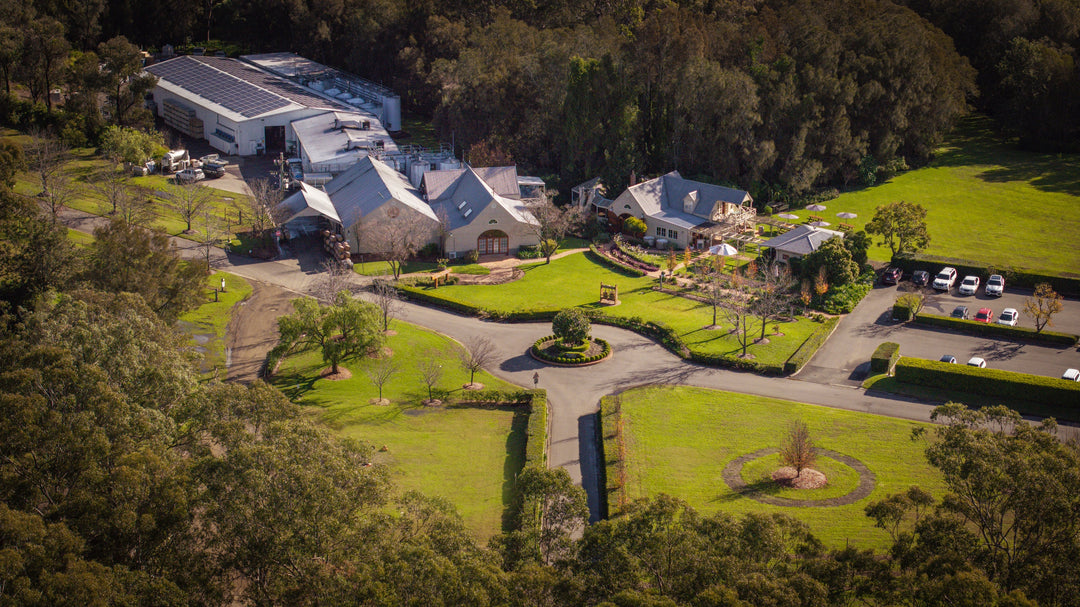
The Single Vineyard range is available at the cellar door in Pokolbin and to order online. If you'd like to taste before you decide, the team can open what's currently showing well and walk you through the sites behind each wine.
Every name on these labels has a story. The cellar door is a great place to hear them.


发表评论